

Proper Nutrition to Build Children's Bodies and Minds
How to establish healthy eating habits for your child from a young age to support their physical growth and mental development.
4 min readFood is the fuel that drives children's rapid growth. During their early years, nutrients not only build their bodies and bones but also form the foundation for brain growth and cognitive development.
Establishing healthy eating habits in childhood prevents future obesity and diabetes issues. Our pediatricians provide a roadmap for balanced nutrition.
Essential Nutrients
A child needs a balance of proteins (for muscle growth), calcium and Vitamin D (for strong bones), and iron (for brain and blood development). Complex carbohydrates (like oats and potatoes) provide sustained energy, while healthy fats (like avocados and olive oil) play a crucial role in nerve and brain development.
Dealing with a "Picky" Eater
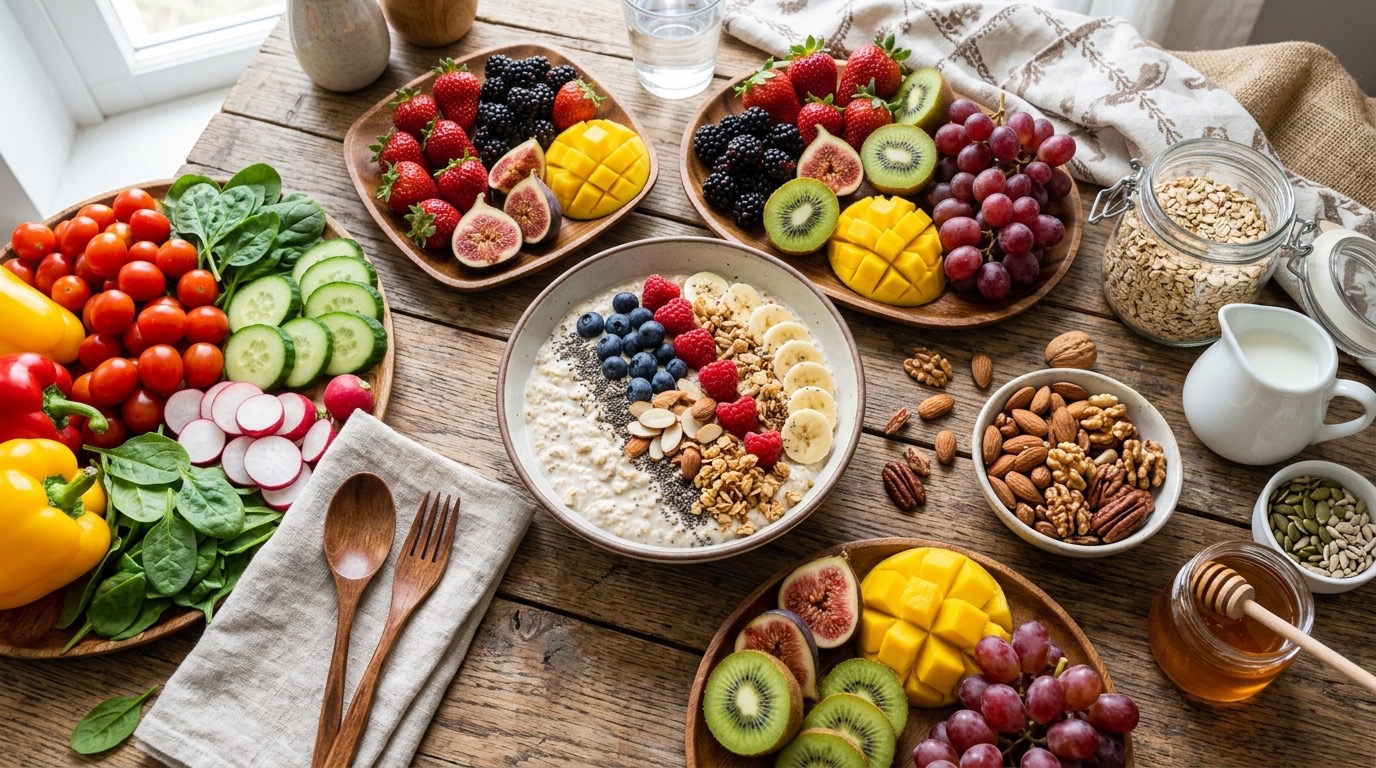
Many children refuse to try new foods (especially vegetables). Do not force your child; instead, be a good role model by eating healthy foods in front of them. Present food in fun, colorful shapes, and involve your child in meal prep to increase their excitement to try it.
The Impact of Good Nutrition on Your Child
- Supporting linear growth and a healthy weight
- Improving focus, memory, and school performance
- Strengthening the immune system to reduce illness frequency
- Building strong bones and cavity-resistant teeth
- Stabilizing mood and reducing tantrums linked to blood sugar spikes
Healthy Snack Ideas
- Carrot and cucumber sticks with hummus or yogurt
- Apple slices with natural peanut butter
- Homemade popcorn with minimal oil
- Dried fruits or raw nuts (for older children to avoid choking hazards)
FAQ
Does my child need vitamin supplements?
Children who eat a varied diet usually do not need supplements. However, a doctor may prescribe Vitamin D or iron based on blood tests and public health recommendations.
Should I ban sweets completely?
A total ban can backfire. Allow small amounts of sweets on special occasions so the child learns moderation rather than deprivation.
Your child comes first
Book at the pediatrics clinic, with doctors who handle little patients with experience and patience.